
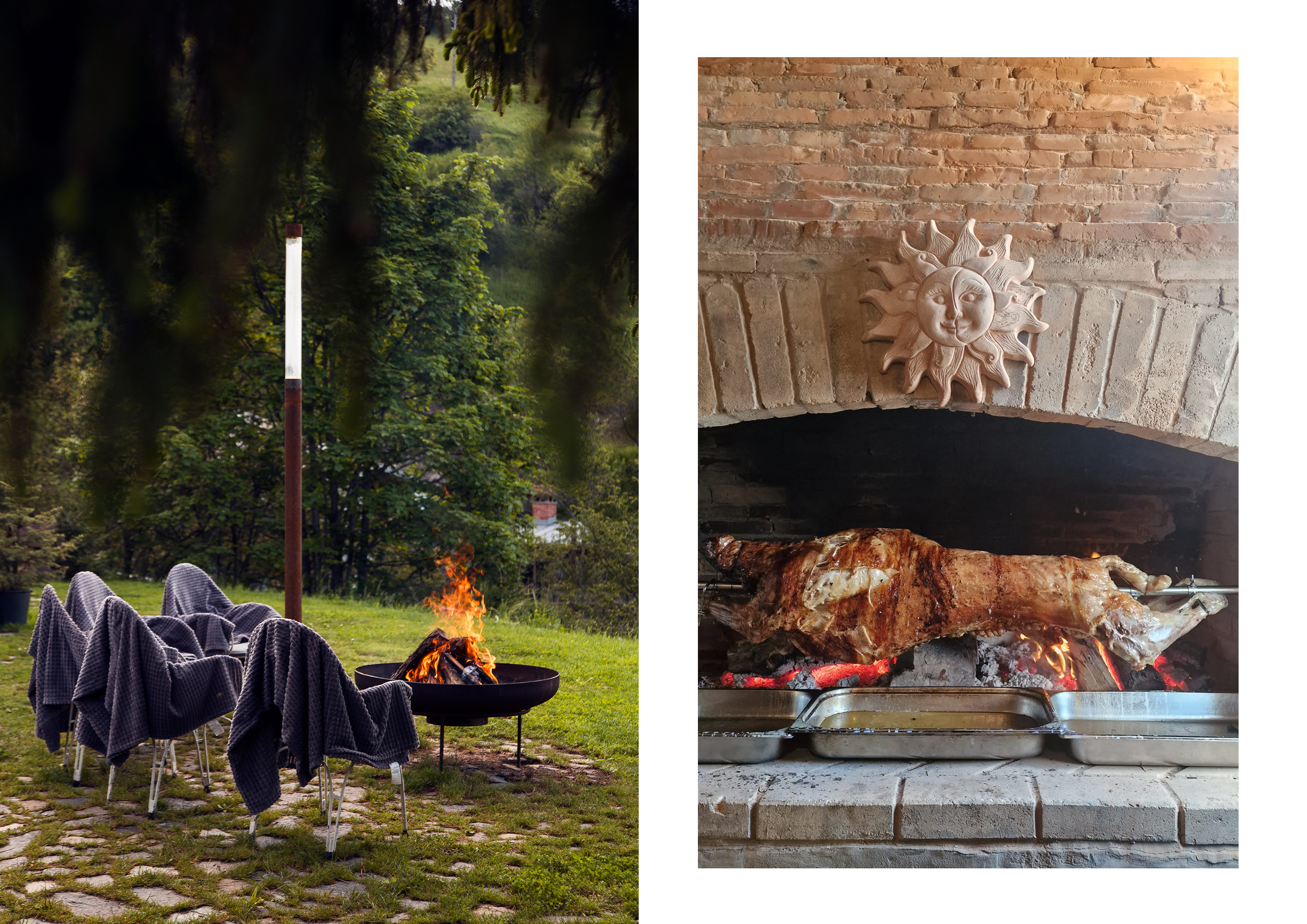
Some flavors cannot be achieved with modern technology. Not because the recipe is different, but because the very method of preparation changes the food.
At Hotel Gela, we believe that the way food is prepared is just as important as the ingredients themselves.
That’s why we’ve created a place where old cooking methods live on – with a traditional oak-fired ceramic oven, an authentic spit, and handcrafted clay pots.
The Traditional Oven
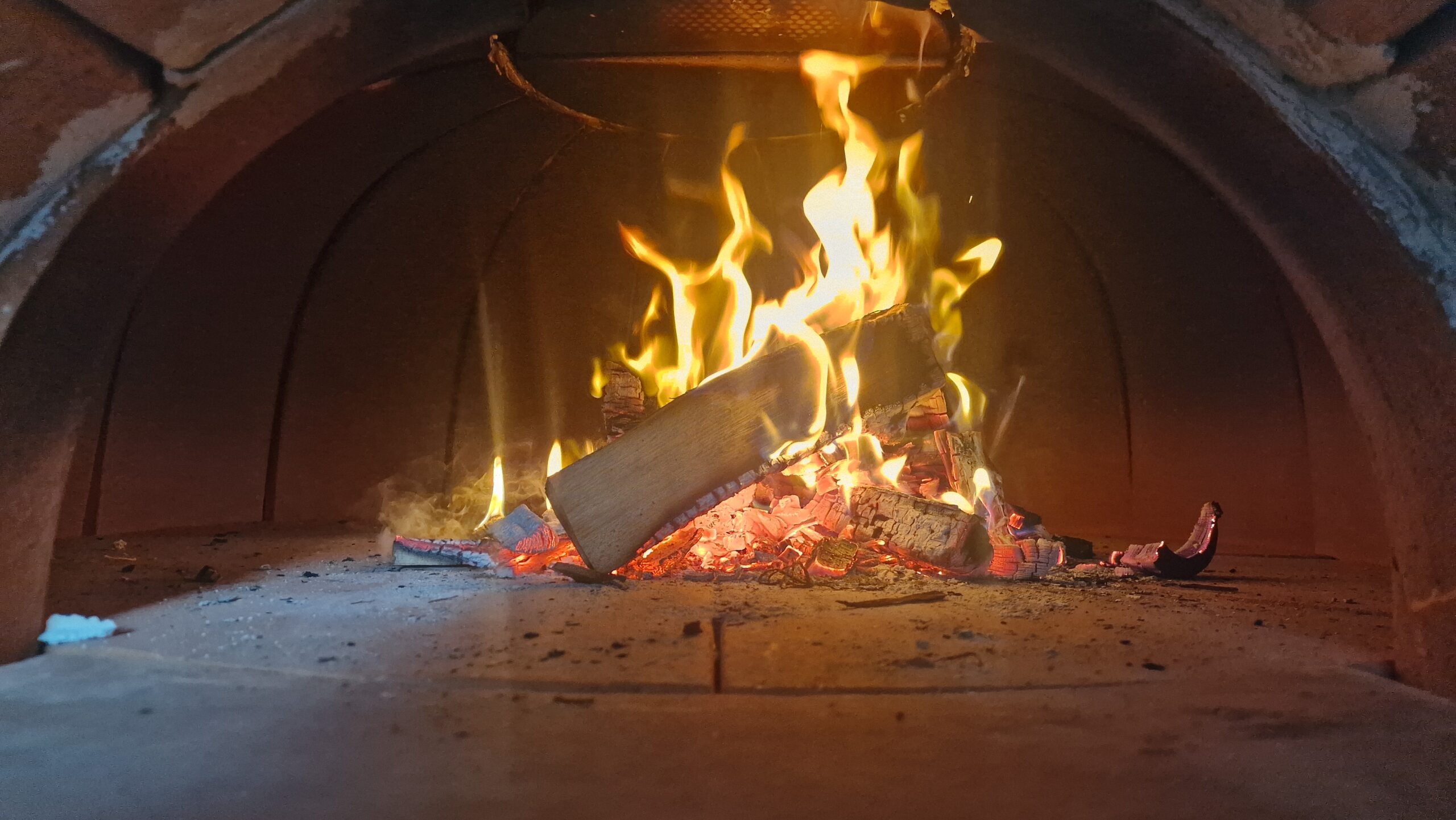
Our traditional ceramic oven, built specifically for cooking and certified for this purpose, is located in the courtyard.
It is heated exclusively with oak wood. Once the fire has heated the thick ceramic walls, the heat is distributed, and the food begins to cook slowly and evenly. No direct flame. No sudden temperature spikes. Just the steady heat that the ceramic gradually releases.
This way, the meat remains tender and juicy, the vegetables retain their natural sweetness, and every dish takes on that subtle woody aroma that cannot be replicated in any other way.
Cheverme – A Rhodope Tradition
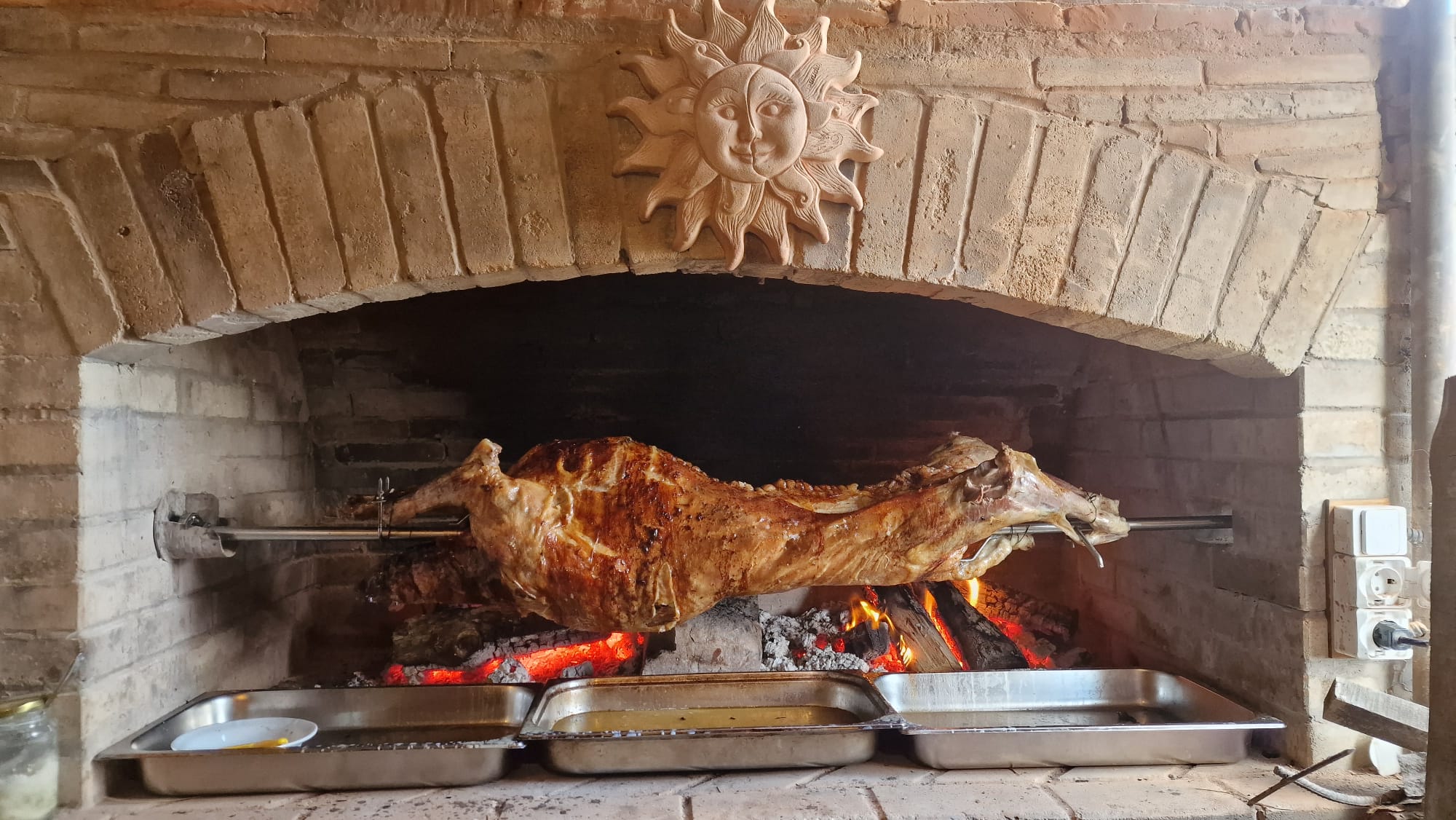
For special occasions and larger groups, we can prepare a whole lamb, kid, pig, or calf, slowly roasted on a traditional cheverme spit or in a ceramic oven.
The two cooking methods are different, and each has its own distinct character.
The cheverme imparts that unique flavor of an open fire and wood smoke.
The oven creates exceptional tenderness, juiciness, and depth of flavor.
There’s no better way – just a different experience.
Pottery from Zlakusa
Most of our dishes are prepared in original clay pots that we selected ourselves and had brought to us from Zlakusa – a small village in western Serbia known for its centuries-old tradition of crafting fire-resistant pottery.
To this day, local artisans craft each piece by hand, mixing a special clay with calcite and shaping it using techniques passed down through generations. Thanks to this technique, the pots can withstand very high temperatures and are specifically designed for slow cooking over an open fire.
It is no coincidence that the Zlakusa pottery tradition has been recognized by UNESCO as part of humanity’s intangible cultural heritage.
Clay changes the flavor
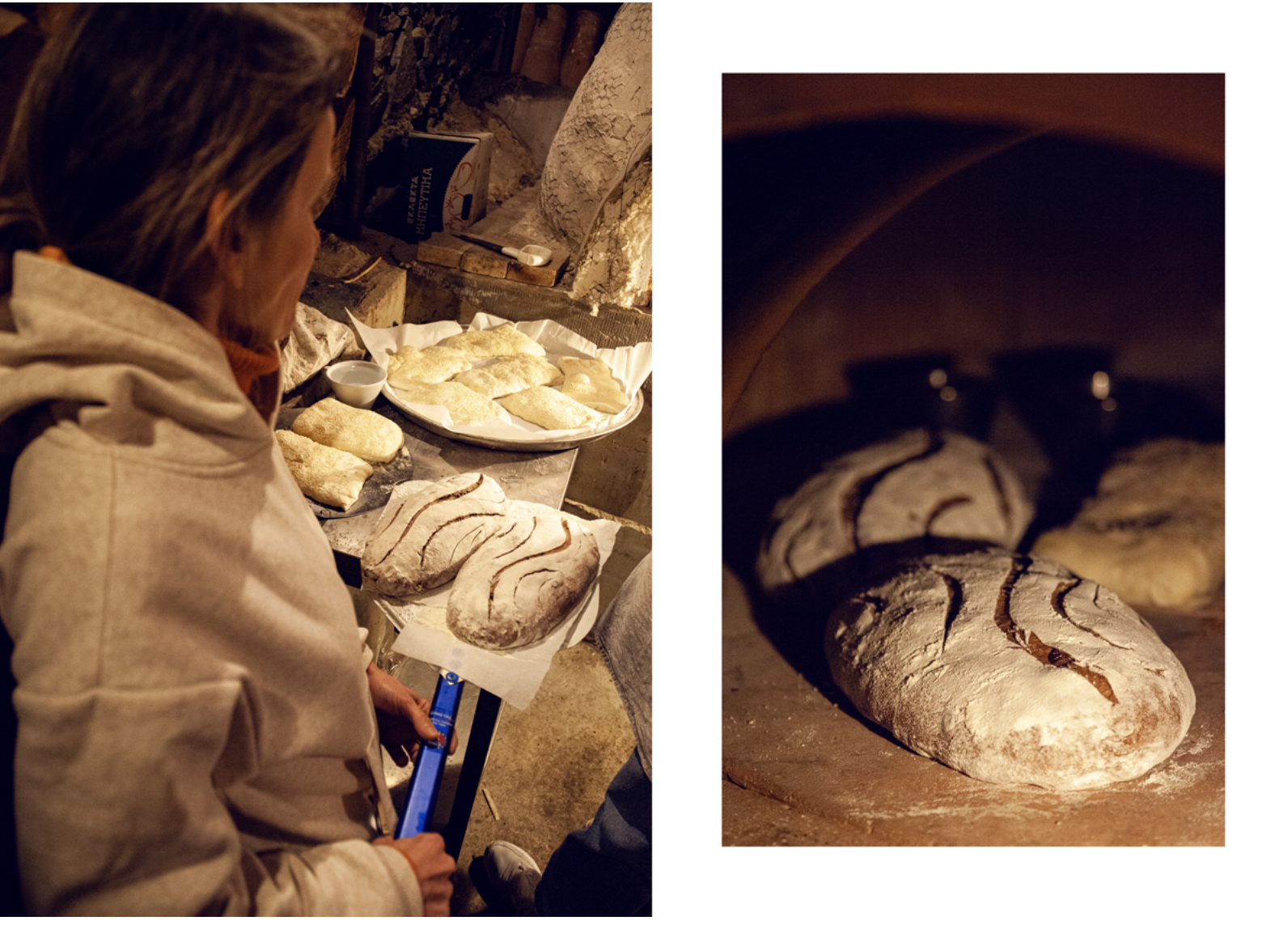
You can taste the difference from the very first bite. Vegetables become sweeter and more aromatic. Meat falls off the bone with just a fork. Homemade bread develops a thick, crispy crust and a soft, fragrant crumb. The banitsa bakes evenly and takes on that flavor many of us remember from the old village ovens.
These aren’t different recipes – it’s the power of slow cooking, natural materials, and patience.
An experience we share with our guests
The traditional oven and spit are not just elements of our cuisine – they are part of the experience.
We organize special dinners for families, groups of friends, holidays, and other occasions where food becomes the centerpiece of our time together.
Whether the aroma comes from the slowly rotating spit, the ceramic oven, or a clay pot just pulled from the embers, every dish has something in common.
The taste of wood. The warmth of the fire.
And the feeling that the best food is the kind shared with the people around the table.